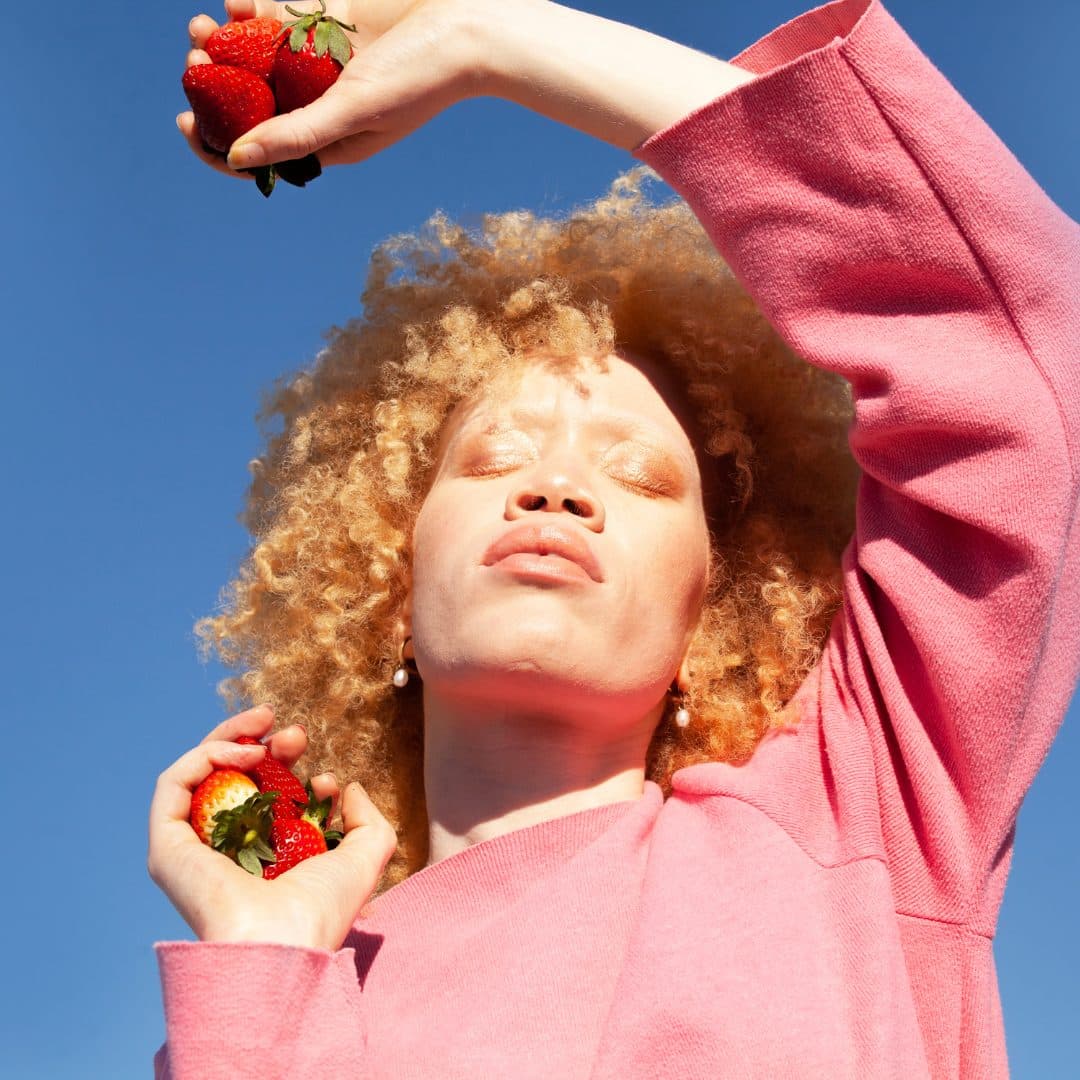
Albinism is a rare, genetic condition present at birth which can affect melanin pigment production in the skin, hair, and eyes. Melanin determines skin, hair, and eye colour and protects against sun damage. People with the condition often, but don’t always, have pale skin, light hair, and light eyes. They also usually have reduced vision and, if they have pale skin, have an increased risk of skin cancer.
In New Zealand, it’s estimated that approximately one in every 17,000 people have some form of albinism.
Observed annually on 13 June, International Albinism Awareness Day raises awareness of the condition. The United Nations General Assembly created this day in 2014. It supports the rights, dignity, and inclusion of people with albinism.
How does albinism affect vision?
A lack of pigment in the eye causes abnormal development of some parts of the eye. People with Albinism may experience:
- Reduced visual acuity which can typically range between 6/12 to 6/120.
- Involuntary eye movement (nystagmus).
- Light sensitivity or photophobia due to lack of pigment in the iris allowing too much light into the eye.
- Eye misalignment (strabismus).
- Refractive error. Needing glasses for being long sighted, short sighted, or having astigmatism is more common in people with this condition.
What causes albinism?
The condition is caused by a difference in the genes that produce melanin in the body.
Are there different types of albinism?
Yes, the main types include:
- Oculocutaneous Albinism (OCA) affects the eyes, hair, and skin, and has several subtypes based on genetic differences. The subtypes can result in a range from the complete absence of melanin to reduced melanin in the body.
- Ocular Albinism (OA) which mainly affects the eyes with little or no impact on skin and hair pigmentation. The most common form is OA1, primarily affecting males because of its X-linked inheritance.
Most Albinism does not affect any other part of the body or wellbeing, but very occasionally albinism is associated with other health conditions as part of a syndrome.
What assistance do children with the condition need?
Children may need extra support for their vision, education, and emotional wellbeing. In school, simple changes like large-print books, strategic seating, and individual learning plans can make a big difference. Encouragement and emotional support can help boost confidence. Regular health check-ups are also key, especially for monitoring eye and skin health.
Blind Low Vision NZ helps children with sight loss by teaching them Adaptive Daily Living skills. These skills include personal care, meal preparation, and more. For more information, visit the Our Services page on our website. You can also call our friendly Contact Centre on 0800 24 33 33.
Organisations like Albinism Trust, Blind and Low Vision Education Network NZ (BLENNZ), and Parents of Vision Impaired NZ (PVI) also offer valuable support for children with albinism and their whānau.
Is there a cure for albinism?
No cure for albinism exists, as it is a genetic condition, however, adaptive strategies can help manage challenges well. Sunglasses, tinted glasses, or a hat can be worn to minimise glare and increase comfort. To learn how to access our services and find adaptive strategies, visit the Our Services page on our website.
Do all people with albinism have white hair or skin?
No. The different types of albinism determine how much melanin is in the body. This means that people with this condition can have white hair. However, others may only lack some colour in their eyes rather than in their skin and hair.
Support and Empowerment
Blind Low Vision NZ provides various resources to assist people with sight loss. This includes mobility training with a white cane or guide dog, training on adaptive techniques and technology, and more! To learn about the support we can offer, call our friendly Contact Centre on 0800 24 33 33 or visit the Our Services page on our website.
For more information, you can visit New Zealand’s Albinism Trust’s website or contact them using albinism@inspire.net.nz.
Those of school age and their caregivers can visit Blind and Low Vision Education Network New Zealand (BLENNZ). They can help with educational, emotional, and mobility support. You can call 0800 BLENNZ or email info@blennz.org.nz for further details. Parents of Vision Impaired (PVI) also offer support to parents and whānau.
Next :
Hmm, no more results were found, click here to return to all "News".