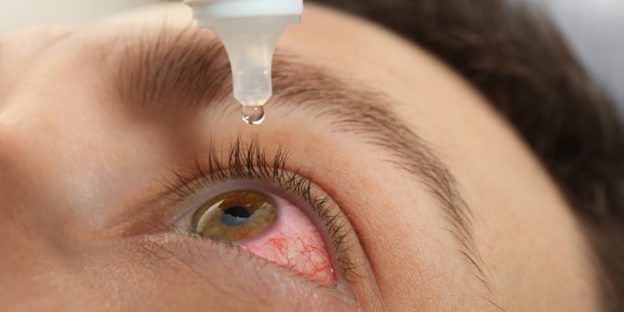
Image Description: Close-up of an eye looking up. An eye-drop bottle is held above the eye. A single drop hangs from the tip and is about to fall into the eye.
You, or someone you know, has probably had to deal with an eye infection at some point. Yet, as common as they are, not all infections are equal. Some clear up on their own, while others need immediate medical care. If left untreated, even a small infection can lead to lasting damage.
If you experience the symptoms of an eye infection, the most appropriate treatment will depend on your age, health, and the type of infection you have. Your best course of action is to consult your healthcate provider.
Still, here is some basic knowledge to carry with you to help you protect your eyes every day.
What are the signs of an eye infection?
You might notice redness or swelling. Your eye could feel itchy or painful. The infection may produce sticky or watery discharge, resulting in crusty eyelashes, especially when you wake up. Other symptoms include blurred vision and sore eyes when exposed to bright light.
Common types of eye infections
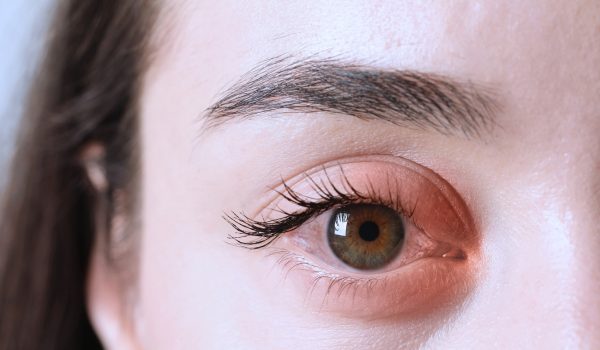
Image Description: Close-up of an inflamed eye. The upper eyelid is swollen with a stye. The surrounding skin looks red and irritated.
Conjunctivitis (pink eye)
This is the most common eye infection. It causes redness, itching, and a sticky or watery discharge. Conjunctivitis can be caused by viruses, bacteria or an allergy.
Stye
A stye is a small, painful lump that forms on the edge of the eyelid. It occurs when one of the oil glands of the eyelid becomes infected.
Blepharitis
This is an inflammation of the eyelids that leads to redness, irritation, and flaky skin around the eyelashes. It can be caused by bacterial infection, or can be due to skin conditions like dandruff (seborrhoeic dermatitis) or rosacea.
Keratitis
Keratitis is any kind of inflammation of the cornea, the clear front surface of the eye. Infective keratitis, sometimes called a corneal ulcer, can cause pain, blurred vision, or sensitivity to light and requires prompt medical treatment to prevent complications.
Endophthalmitis
Endophthalmitis develops inside the eyeball and is extremely serious. If not treated right away, endophthalmitis can lead to blindness. Contact your doctor immediately if you experience eye pain that continues to get worse after surgery, an eye injection or eye injury.
Trachoma
Trachoma is a contagious bacterial infection that affects the inner surface of the eyelids. Repeated infection over time can lead to scarring that causes the eyelids to turn inward, making the eyelashes rub against the eye surface. This can cause pain, damage to the cornea, and eventual permanent blindness if untreated.
Thanks to improvements in medicine, water quality, and general hygiene, trachoma is less common than it once was, although it is still a problem in many poor countries.
New Zealand has been recognised by the World Health Organisation (WHO) as having eliminated trachoma as a public health problem, meaning it is now very rare here.
Orbital cellulitis
Orbital cellulitis is a serious infection affecting the tissue around the eye. It causes swelling, pain, redness, and can threaten vision if not treated urgently. Immediate medical care is essential.
Their names may be different, but many eye infections share similar symptoms.
Everyday situations to be aware of and care for your eyes
Everyday habits and places can affect your eye health without you realising. You do not need to avoid these things. Just stay aware and take simple steps to protect your eyes.
Swimming pools
Water in swimming pools can carry germs or irritants if not maintained properly. After swimming, rinse your eyes with clean water and try not to rub them if they feel sore or itchy.
Playing in dirt, gardening, or mowing the lawn
Dust, soil, and pollen can get into your eyes and cause discomfort. Wash your hands before touching your face. Wearing safety glasses outdoors can help protect your eyes.
Phones, keyboards, and shared devices
We touch our phones, keyboards, or shared screens many times a day, often without thinking. These surfaces can carry germs that might end up in your eyes if you rub or scratch them. Since you don’t always know who touched your device or when it was last cleaned, it’s a good idea to wipe your phone, keyboard, or screen regularly with a clean cloth or an alcohol wipe. And remember to wash your hands after using shared devices, especially in public places.
Makeup, brushes, and eyelash extensions
Old or shared makeup may increase the risk of eye infections. If you regularly get eyelash extensions, make sure clean tools and safe glue are used. After the procedure, keep the area around your eyes clean and avoid rubbing them. Remember to wash and clean your makeup brushes and tools regularly to keep your eyes safe from infection.
Wearing contact lenses
Wearing lenses for too long or not cleaning them the right way can increase your risk of infections. Follow the care steps your eye provider gave you, and never wear lenses longer than recommended.
Dusty or smoky places
Dust, smoke, or strong wind can make your eyes feel dry or irritated. Sunglasses or wraparound glasses can help keep your eyes safe when you are outside.
Touching or rubbing your eyes
It can be tempting to rub your eyes, but this can spread germs or make things worse. Use a clean tissue or try to blink gently until the feeling passes.
Sharing towels, pillows, or face cloths
Infections can spread through shared items. Always use your own clean towel and wash pillowcases often, especially if someone in your home has an eye infection.
Petting animals
Pets are lovely, but they may carry germs or things that can irritate your eyes. After cuddling or playing with pets, wash your hands before touching your face.
Injuries to the eye
A bump or scratch to the eye, even from something small can lead to infection if germs get in. If you get an injury or foreign material in your eye and it becomes red, swollen, painful, or starts to produce discharge, see a health provider right away.
Eyecare tips for children age zero to five
Young children tend to touch more surfaces and objects than adults do. Because they also touch their eyes and faces often, this can increase their risk of getting an eye infection.

Image Description: A child washing her hands at a sink while a teacher stands nearby, guiding and supporting her.
Washing hands with soap and running water is the safest way to remove germs. The World Health Organization (WHO) recommends washing hands for at least 20 seconds to do this effectively. Encourage your child to wash their hands regularly, especially before touching their face or eyes, and after playing outside.
If your child shows signs of an eye infection such as redness, swelling, or sticky eyes, it is best to keep them home from childcare or preschool. This helps prevent germs from spreading to other children. See a health provider quickly to get the right care.
Other simple steps include:
Keeping toys and surfaces your child uses clean by wiping them regularly.
Avoiding sharing towels or face cloths to stop infections spreading.
Teaching your child to avoid rubbing their eyes. If their eyes feel itchy or sticky, gently wipe around them with a clean, damp cloth.
By following these easy steps, you can help protect your child’s eyes and keep them healthy.
Care and treatment for eye infections
Many eye infections are curable and often get better on their own over time. However, it is always best to seek advice from a health provider if symptoms do not improve or get worse.
See a health provider if your eyes remain red, uncomfortable, swollen, or sticky for more than a few days. They can diagnose the problem and suggest the right treatment. If you experience significant pain, blurry vision, light sensitivity or a very red eye, contact your eye health provider or GP immediately. This could be a sign of a serious eye condition.
- Follow any prescribed treatment carefully, such as eye drops, ointments, or medicine.
- Keep the eyes clean. Gently wash around the eyes and face with clean, warm water using a soft cloth. Avoid rubbing or using soap near the eyes, as this can cause irritation. Use a fresh cloth each time to prevent spreading germs.
- Protecting your eyes means protecting your sight. Taking care of your eyes every day, noticing any signs of infection early, and seeking advice when needed can keep your vision healthy for life.
Remember, your eyes are precious, look after them with care, and don’t hesitate to reach out for support whenever you need it.
Further reading
For more detailed information on eye infections and care guidelines, you may find these resources helpful:
Starship Hospital: detailed care guidelines on eye infections.
Support Services
If you, or someone you know, is going through vision loss, Blind Low Vision NZ is here to help. We offer advice, resources, and practical support to help people live well with low or no vision. This includes mobility training with a white cane or guide dog, learning adaptive daily living skills, support with technology, and much more. To learn more about the support we can offer, call our Contact Centre on 0800 24 33 33. You can also visit the Our Services page on our website.
Next :
Hmm, no more results were found, click here to return to all "News".