Written for Blind Low Vision NZ by Danielle Gamlen, Optometrist, Specsavers Brisbane CBD, Australia.
What is Charles Bonnet Syndrome?
Charles Bonnet Syndrome (CBS) is when people with different levels of vision loss experience visual hallucinations, often referred to as phantom images. This experience only affects vision and doesn’t impact a person’s mental skills, such as thinking, learning, remembering, and using language. Similarly, Charles Bonnet Syndrome involves no other senses, meaning people won’t hear, smell, or taste the hallucinations. The visions produced in Charles Bonnet Syndrome are not a sign of a mental disorder. Many people with Charles Bonnet Syndrome compare their hallucinations to patients experiencing the loss of a limb and then have phantom pain.
What causes Charles Bonnet Syndrome?
The eye works like a camera, capturing light and sending visual information to the brain. Although the exact cause of Charles Bonnet Syndrome is not fully understood, experts believe that when the brain receives less visual information because of vision loss, its visual centres may become more active. This can result in images appearing even though nothing is actually there. For people who have vision loss, it can be difficult to distinguish details in the real world. In contrast, the images produced by the brain in Charles Bonnet Syndrome are not affected by the underlying eye condition, and appear clearer or sharper than everyday vision. This clarity means most people with Charles Bonnet Syndrome can recognise that these images are not real.
What do these visual hallucinations look like?
Images produced by Charles Bonnet Syndrome can range from simple to abstract and can be unsettling or even frightening. Images may include repeating geometric patterns, faces, people, animals, buildings, landscapes, or objects. The images do not typically depict memories, familiar people or past events. The types of images seen may be recurrent for some individuals or change each time they appear. As people learn more about Charles Bonnet Syndrome and become familiar with their own experiences, the images often become less distressing. For many people, the hallucinations come and go over months or years, and can often become less frequent or less disturbing.
Who is affected by Charles Bonnet Syndrome?
Charles Bonnet Syndrome can affect people of any age who experience vision loss, although it is commonly reported in adults aged 80 years or older. Visual hallucinations can occur for people with varying degrees of vision loss, and more commonly when vision in both eyes is affected. Charles Bonnet Syndrome is estimated to affect around one in four adults with sight loss or low vision. However, the true number is likely higher because many people are unaware of the condition or choose not to report their symptoms1. Statistics on younger people experiencing this condition are much less explored.
Many people with vision loss are not aware of the possibility of visual hallucinations, and increasing awareness is important both to the public and within clinical settings. Many people are reluctant to tell family, friends, or healthcare professionals about their experiences because they worry the hallucinations will be mistaken for a mental illness or cognitive decline. As Charles Bonnet Syndrome is often underreported, many people may experience these sometimes frightening hallucinations alone, without realising that the condition is common and recognised.
What should people experiencing Charles Bonnet Syndrome do?
Although there is currently no cure for Charles Bonnet Syndrome, there are ways to manage the condition and reduce how distressing the visual hallucinations may be. Stress, fatigue, illness, social isolation, and reduced visual stimulation may make the hallucinations more noticeable for some people. People experiencing symptoms of Charles Bonnet Syndrome should discuss them with their optometrist, GP, or low vision service. These professionals can help confirm the diagnosis, rule out other possible causes, and provide advice on managing the condition. Making the best use of remaining vision through appropriate spectacles, magnifiers, or other low vision aids may reduce the frequency or severity of visual hallucinations. Simply understanding that the hallucinations are a common experience for people with vision loss is often enough to help.
Where can people find support?
Understanding Charles Bonnet Syndrome and that others share similar experiences can provide reassurance and reduce the sense of isolation that some people feel. Several organisations provide reliable information and support. Macular Degeneration New Zealand’s website provides patient-friendly information about this condition, helpful for affected people and those who care for them2. Blind Low Vision NZ can provide community support and vision services to support people experiencing Charles Bonnet Syndrome and vision loss. Esme’s Umbrella Foundation for Charles Bonnet Syndrome in the UK has a website with a wealth of personal experiences and videos to provide reassurance and comfort, knowing that people are not alone in this experience3.
Support and Empowerment
Blind Low Vision NZ provides various resources to assist people with sight loss. This includes mobility training with a white cane or guide dog, training on adaptive techniques and technology, and more! To learn about the support we can offer, call our friendly Contact Centre on 0800 24 33 33 or visit the Our Services page on our website.
About the author
Danielle Gamlen is a senior optometrist, currently working at Specsavers Brisbane CBD. After graduating with first class honours from the University of Auckland in 2022, she has practised in both New Zealand and Australia. Danielle is passionate about advocating for eye health and educating both patients and colleagues, and was a teaching assistant during her time at the University of Auckland before moving to Australia.
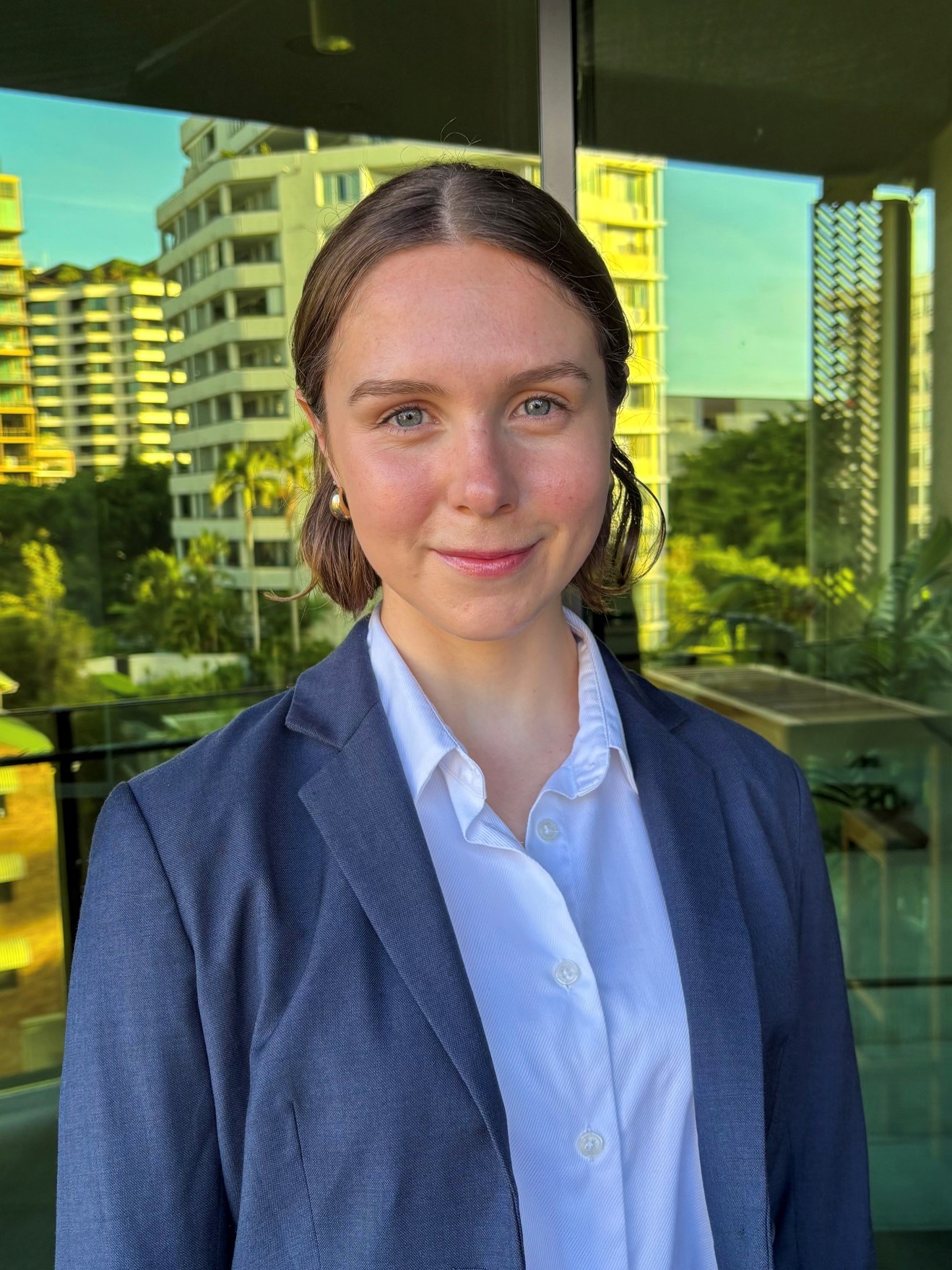
Image Description: Danielle, an optometrist, is smiling at the camera. She is wearing a dark blazer over a light blue shirt and has shoulder-length hair. Several tall buildings can be seen in the background.
References
- Christoph SEG, Boden KT, Siegel R, Seitz B, Szurman P, Schulz A. The prevalence of Charles-Bonnet syndrome in ophthalmic patients: a systematic review and meta-analysis. Brain Res Bull. 2025;223:111282.
- Macular Degeneration Foundation New Zealand. Available from https://www.mdnz.org.nz/viewpoint/charles-bonnet-syndrome?rq=charles%20bonnet
- Esme’s Umbrella. Living with CBS [Internet]. London (UK): Esme’s Umbrella; [cited 2026 Jul]. Available from: https://www.charlesbonnetsyndrome.uk/living-with-cbs
Next :
Hmm, no more results were found, click here to return to all "News".