Schools Awareness Workshops
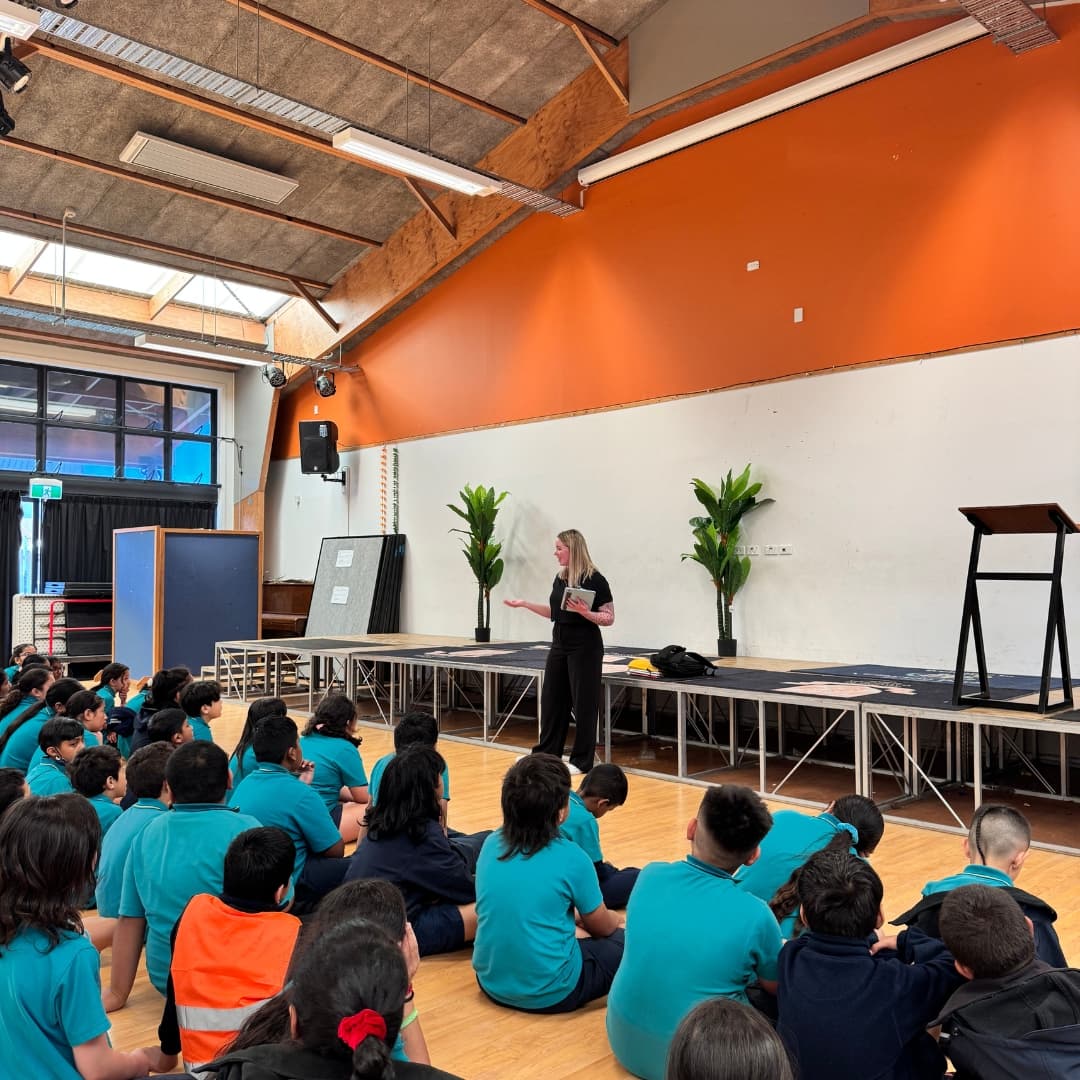
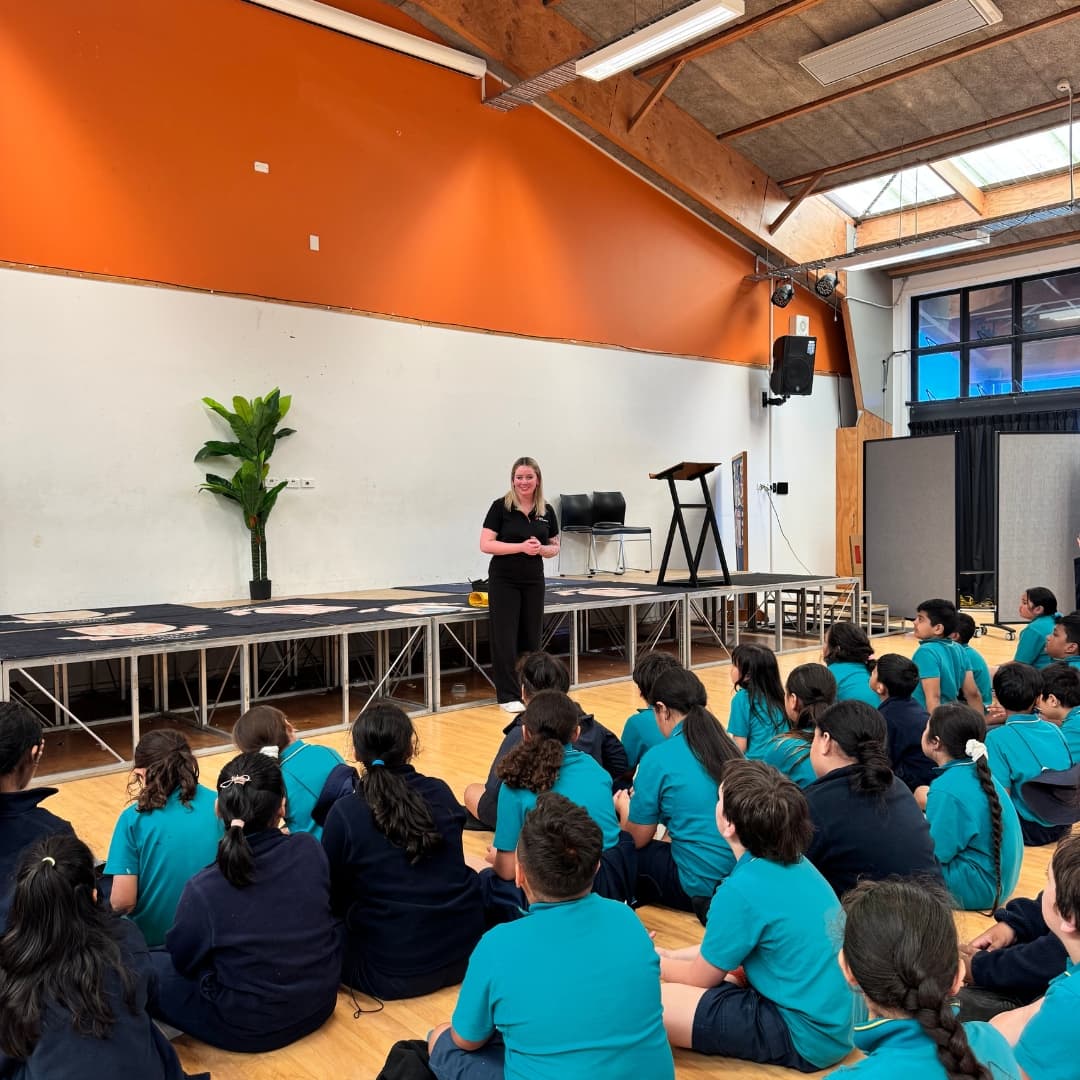
Our Schools Awareness Workshops are designed to educate and inspire children across New Zealand schools about the experiences of people who are blind or have low vision and how to look after their own eye health.
Inspiring Kiwi kids to see the world differently
We want New Zealand to be a place where blind, deafblind, and low vision Kiwis get to live the life they want.
The heart of our School’s Awareness Workshops is to show children how they can actively support people in their community living with vision loss.
Each workshop is led by a speaker with lived experience. They share their personal story of vision loss, including how and when it happened, the condition they live with, and what their vision is like today. Hearing first-hand experiences sparks children’s curiosity and gives them a chance to connect with someone whose life may be very different from their own.
Looking after little eyes
We believe eye health education is important for children. Not only does it help to set up lifelong eye health habits, protecting the eyes for the future; but around 80% of what is taught in schools is presented visually so being able to see clearly can have a real impact on learning and development.
Every School’s Awareness Workshop has been co-designed with the optometrists at Specsavers to include fascinating facts and practical tips on eye health. Schools that host a workshop may also have an opportunity to host a local Specsavers optometrist to provide free eye screenings for children.
Your students will learn about:
- The different eye conditions and how they impact people.
- How they can support people in their community with vision loss.
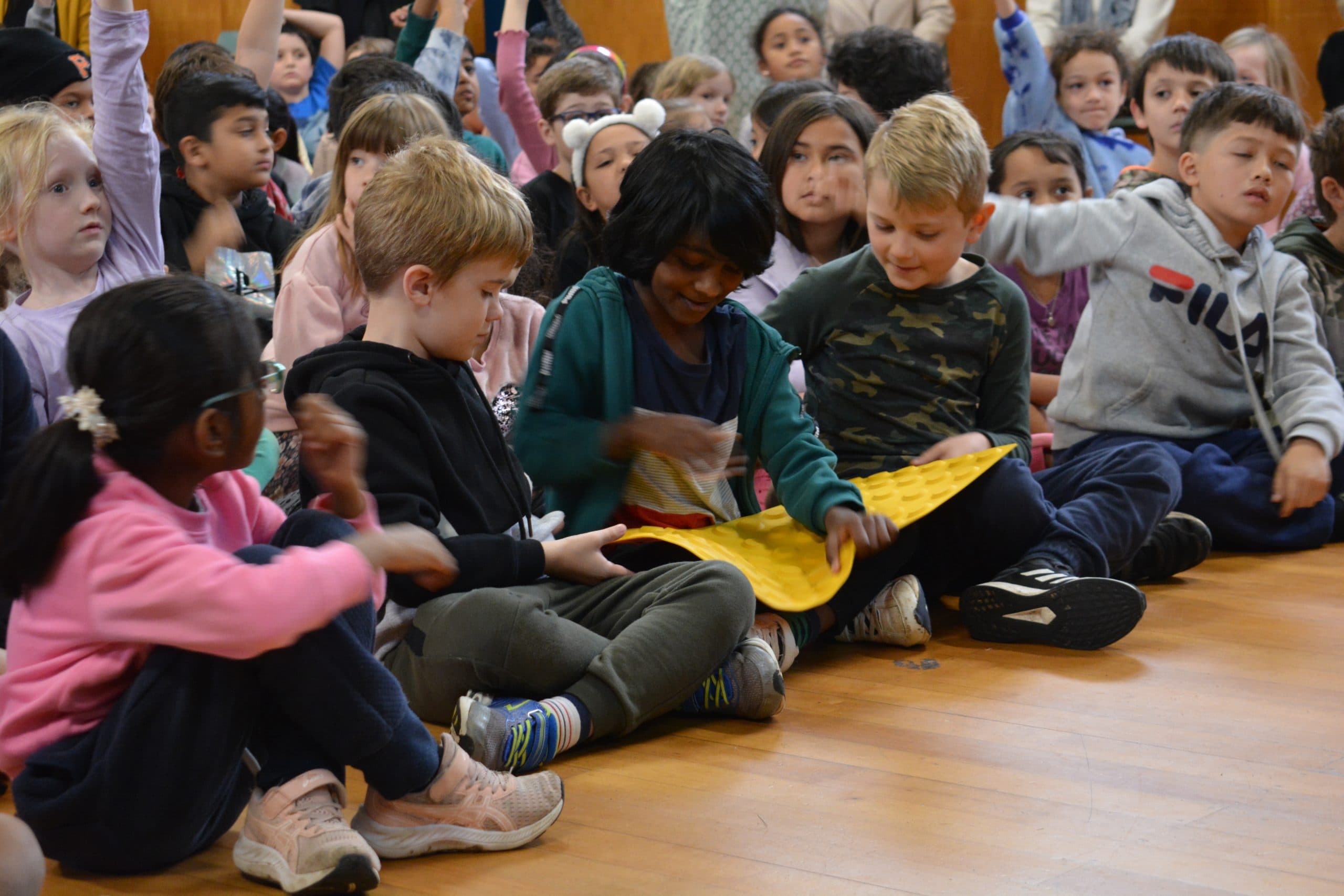
- Accessibility features in public spaces (like tactile dots and lines).
- How Guide Dogs support people who are blind or have low vision.
- How to look after your eyes
- What to expect at an eye test appointment
New Zealand Curriculum Alignment
Our Schools Awareness Workshops directly support the New Zealand Curriculum by weaving manaakitanga and lived experience into authentic learning opportunities:
- Relating to others — Connecting with people who have different life experiences.
- Participating and contributing — Considering how they can make shared spaces safer and more inclusive.
- Managing self — Reflecting on their own role in community safety.
- Thinking — Developing curiosity and critical thinking through real-world examples.
- Using language, symbols, and texts — Learning how features like tactile dots, lines, and the colour yellow communicate meaning.